
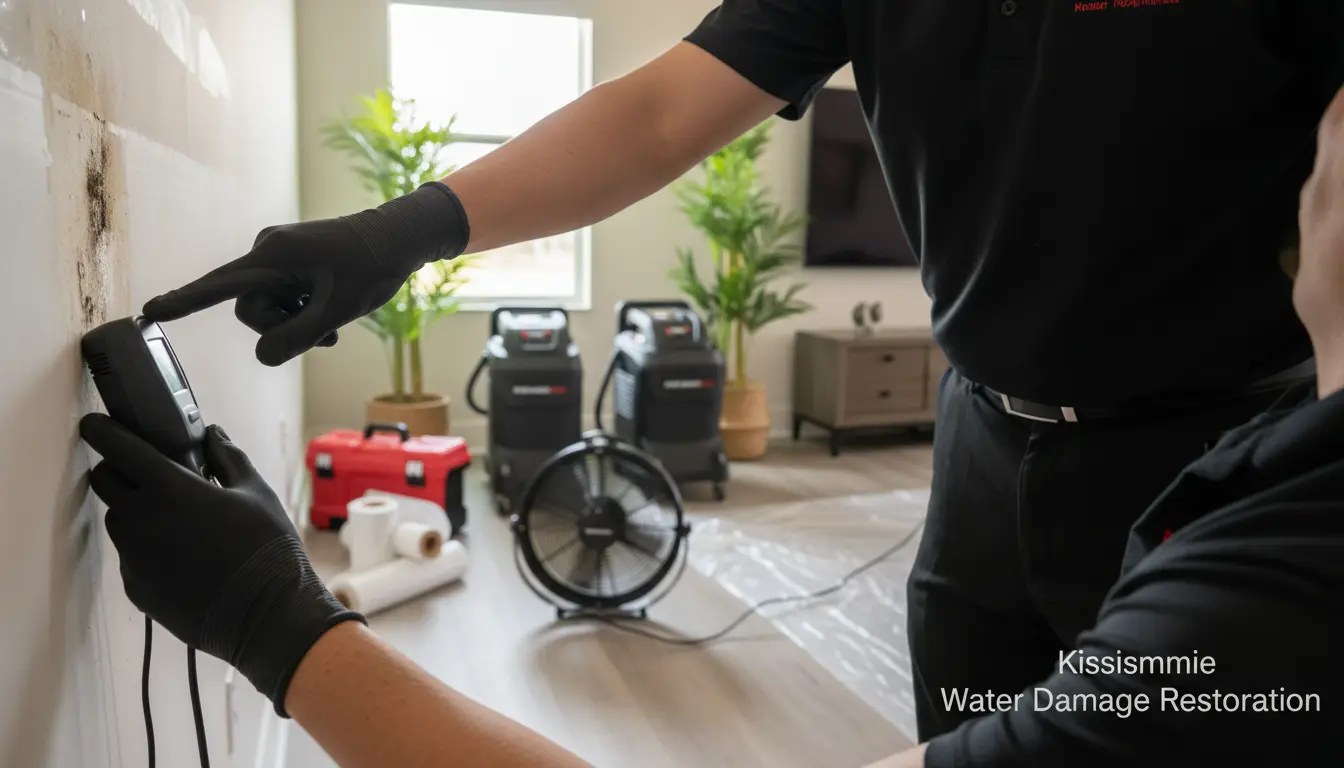
Imagine returning home after a heavy rainstorm in Kissimmee, only to find your living room soaked and a musty smell lingering in the air. In Florida’s relentless humidity, this nightmare can quickly escalate into a full-blown mold invasion. As a resident of this subtropical paradise, you’re no stranger to moisture, but when water damage strikes, the consequences can be severe. At Kissimmee Water Damage Restoration, we’ve seen firsthand how unchecked water issues lead to mold problems that threaten health, property, and peace of mind. In this guide, we’ll explore the unique risks of mold after water damage in humid Florida, with a focus on our local community in Kissimmee. Whether you’re dealing with a burst pipe or flood aftermath, understanding these dangers is your first step toward recovery.
Understanding Water Damage in Florida’s Climate
Florida’s climate is a double-edged sword—beautiful beaches and warm weather come with high humidity levels that rarely dip below 70%. This environment creates the perfect breeding ground for mold when water damage occurs. In Kissimmee, located in the heart of Central Florida, we’re particularly vulnerable due to our proximity to lakes and frequent summer storms.
Common Causes of Water Damage in Kissimmee Homes
Water damage doesn’t always announce itself dramatically. Here are some prevalent issues we encounter:
- Leaky Pipes and Plumbing Failures: Aging infrastructure in older Kissimmee neighborhoods can lead to hidden leaks that seep into walls and floors.
- Storm and Flood Surges: With our area’s susceptibility to hurricanes and heavy rains, flooding from nearby Canoe Creek can overwhelm homes without proper drainage.
- Appliance Malfunctions: Washing machines, water heaters, and dishwashers often fail, causing sudden floods in utility rooms.
- Roof Leaks: Intense Florida sun and storms degrade roofs, allowing water to infiltrate during downpours.
If you’re in areas like Flamingo Lakes, where water bodies are close, these risks amplify. Prompt action is crucial to prevent mold from taking hold.
Why Humidity Accelerates Mold Growth After Water Damage
Mold thrives in damp, warm conditions, and Florida’s average humidity of 75-90% provides an ideal habitat. After water damage, if moisture lingers for just 24-48 hours, mold spores—already present in the air—can colonize surfaces like drywall, wood, and carpet.
The Science Behind Mold Proliferation
Mold reproduces rapidly through spores that become airborne. In humid environments, these spores don’t need much encouragement. Water damage introduces excess moisture, and without proper drying, black mold (Stachybotrys chartarum) can emerge, known for its toxicity. In Kissimmee, where indoor humidity often mirrors the outdoors, structural drying processes are essential to extract water and dehumidify spaces effectively.
Our team at Kissimmee Water Damage Restoration uses advanced equipment to combat this. Delaying restoration can lead to widespread infestation, costing thousands in repairs.
Health Risks Associated with Mold in Humid Florida Homes
Mold isn’t just an eyesore; it’s a health hazard. Exposure can trigger allergic reactions, respiratory issues, and more severe conditions, especially for vulnerable groups like children, the elderly, and those with asthma.
Short-Term and Long-Term Effects
- Allergic Reactions: Sneezing, itchy eyes, and skin rashes from inhaling spores.
- Respiratory Problems: Coughing, wheezing, and exacerbated asthma, common in Florida’s pollen-heavy air.
- Toxic Exposure: Certain molds produce mycotoxins, leading to chronic fatigue, neurological issues, or immune suppression over time.
In densely populated areas like Solivita, where many retirees live, these risks are heightened. We’ve helped numerous families in Intercession City recover from mold-related health scares by addressing water damage swiftly.
Identifying Signs of Mold Growth Post-Water Damage
Early detection is key to minimizing damage. Look for these indicators in your Kissimmee property:
- Visible Mold: Black, green, or white fuzzy patches on walls, ceilings, or furniture.
- Musty Odors: A persistent earthy smell, even after cleaning.
- Water Stains: Discoloration on surfaces indicating hidden moisture.
- Warped Materials: Buckling wood or peeling paint from ongoing dampness.
If you notice these after a leak, don’t ignore them. Professional inspection can reveal hidden mold behind walls, which DIY methods often miss.
Practical Tips for Preventing and Addressing Mold After Water Damage
Prevention and quick response can save your home from mold’s grip. Here’s actionable advice tailored to Florida’s humid conditions:
Immediate Steps After Water Damage
- Stop the Source: Turn off water if possible and contact a plumber for leaks.
- Remove Water: Use wet vacuums for standing water, but for extensive damage, call professionals.
- Ventilate: Open windows and use fans, but in high humidity, this might worsen issues—opt for dehumidifiers instead.
For thorough cleanup, our sewage backup cleanup services ensure contaminated water doesn’t lead to mold.
Long-Term Prevention Strategies
- Maintain Low Humidity: Keep indoor levels below 50% with HVAC systems and dehumidifiers.
- Regular Inspections: Check attics, basements, and crawl spaces quarterly, especially in rainy seasons.
- Upgrade Waterproofing: Install sump pumps and seal cracks in foundations, vital for homes near Loughman.
- Professional Restoration: After any incident, enlist experts for odor elimination treatment to eradicate musty smells and spores.
If valuables like documents or furniture are affected, our document recovery services and content restoration can salvage them, preventing further mold damage.
In Kissimmee, where summer humidity peaks, these habits are non-negotiable. We’ve restored countless properties in Canoe Creek by emphasizing proactive measures.
FAQ: Mold After Water Damage in Humid Florida
1. How quickly does mold grow after water damage in Florida?
In our humid climate, mold can start growing within 24-48 hours. Acting fast with professional drying is essential to halt this process.
2. Is all mold dangerous?
Not all, but toxic varieties like black mold pose serious health risks. A professional assessment, like those provided by Kissimmee Water Damage Restoration, can identify threats.
3. Can I clean mold myself after water damage?
Small patches might be DIY, but for water-damaged areas, professionals ensure complete removal to prevent recurrence, especially in humid conditions.
4. Does homeowners insurance cover mold remediation in Kissimmee?
Often yes, if caused by a covered peril like a storm. Contact your provider and our team for guidance on claims.
5. How can I prevent mold in my humid Florida home?
Focus on moisture control: fix leaks promptly, use dehumidifiers, and schedule regular inspections with local experts.
Conclusion: Protect Your Kissimmee Home from Mold Today
Living in humid Florida means staying vigilant against mold after water damage. From the risks to health and property in areas like Intercession City to practical prevention tips, knowledge empowers you to act decisively. At Kissimmee Water Damage Restoration, we’re committed to serving our community with rapid, reliable solutions. Don’t let mold take over—contact us immediately for a free inspection and restore your home’s safety. Call now at (407) 759-4293 or visit our website to schedule service. Your peace of mind starts with one call.