
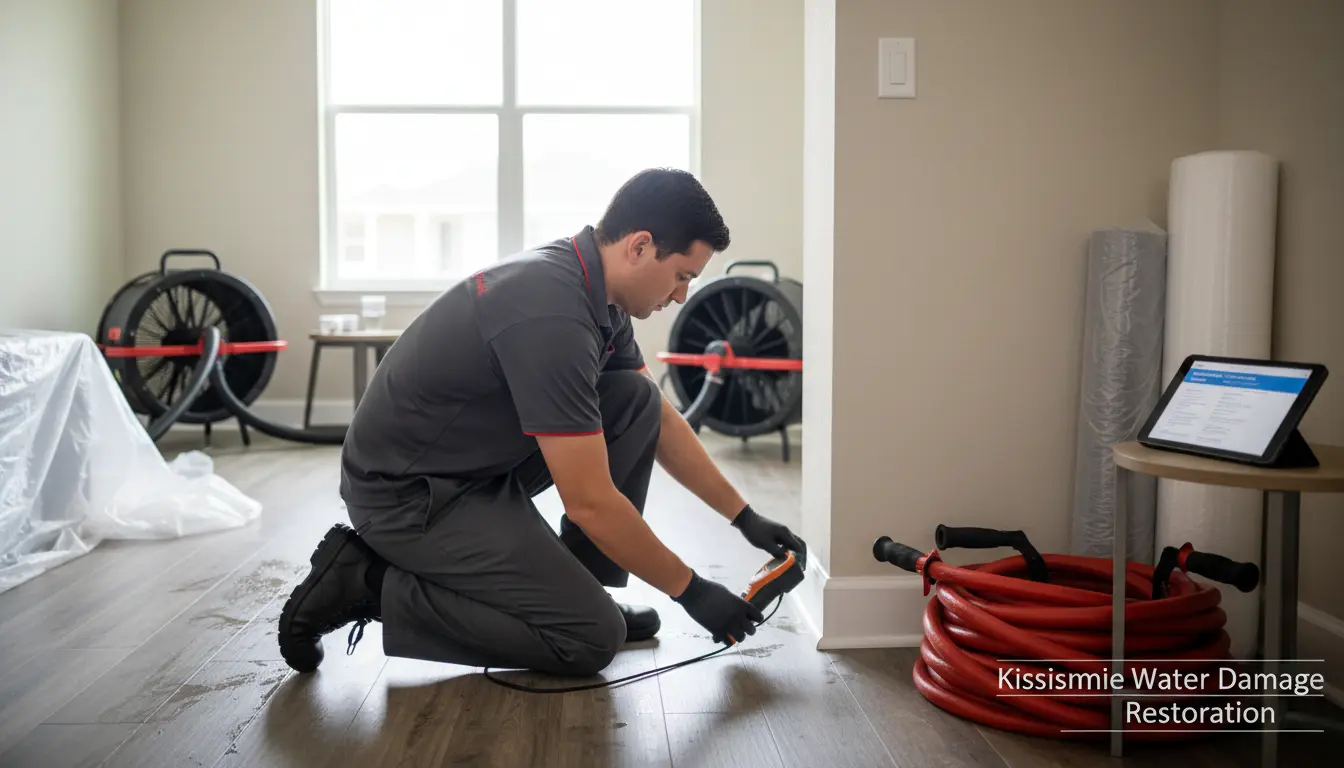
Water damage can strike unexpectedly, turning a peaceful home in sunny Florida into a soggy nightmare. Whether it’s a burst pipe during a summer storm or flooding from heavy rains in Kissimmee, the aftermath often involves navigating complex insurance claims. As residents of this flood-prone state know, understanding your policy and acting swiftly is crucial to getting the coverage you deserve. At Kissimmee Water Damage Restoration, we’ve helped countless homeowners in Kissimmee and surrounding areas recover from water disasters. In this guide, we’ll share practical insurance tips tailored to Florida’s unique challenges, helping you minimize stress and maximize your claim.
Florida’s humid climate and frequent storms make water damage a common issue, but with the right knowledge, you can turn a potential financial burden into a manageable situation. Let’s dive into the essentials.
Understanding Your Homeowners Insurance Policy in Florida
Before a water damage incident occurs, it’s vital to know what your policy covers. Florida homeowners insurance typically includes protection against sudden and accidental water damage, but exclusions abound—especially for floods, which require separate flood insurance through the National Flood Insurance Program (NFIP).
Key Coverage Types for Water Damage
- Dwelling Coverage: This pays for repairs to your home’s structure, like walls and floors, damaged by leaking appliances or plumbing failures.
- Personal Property Coverage: Covers items like furniture and electronics ruined by water. Inventory your belongings annually to strengthen your claim.
- Loss of Use Coverage: If your home in Kissimmee becomes uninhabitable, this can cover temporary housing and meals.
Review your policy’s declarations page for limits and deductibles. In Florida, many policies have hurricane deductibles that kick in during storm seasons, potentially ranging from 2% to 5% of your home’s insured value. If you’re in a high-risk area like near Lake Tohopekaliga in Kissimmee, consider adding endorsements for sewer backups or sump pump failures.
Pro Tip: Document your policy details and keep them handy. Apps like those from your insurer can help track changes, ensuring you’re prepared for unexpected events.
Immediate Steps After Water Damage Occurs
Time is of the essence when water invades your home. Acting quickly not only prevents further damage but also bolsters your insurance claim.
1. Ensure Safety First
Turn off electricity to affected areas to avoid shocks, and ventilate to reduce mold risk—Florida’s warmth accelerates mold growth within 24-48 hours. If sewage is involved, evacuate and call professionals immediately for sewage backup cleanup.
2. Mitigate Further Damage
Your insurance company expects you to take reasonable steps to prevent worsening. Mop up standing water, move valuables to dry areas, and use fans or dehumidifiers. In Kissimmee, where humidity levels often exceed 70%, quick drying is critical to avoid mold remediation services.
3. Document Everything Thoroughly
Take photos and videos of the damage from multiple angles, including before any cleanup. Note the date, time, and cause if known. Keep receipts for any emergency expenses, like tarps or rented equipment. This evidence is gold when filing your claim.
Local Insight: In areas like Buenaventura Lakes, flash floods from nearby canals can cause rapid inundation. If you’re in this neighborhood, reference our Buenaventura Lakes water damage services for tailored response strategies.
Filing Your Water Damage Insurance Claim: A Step-by-Step Guide
Filing a claim in Florida can feel daunting, but following these steps streamlines the process.
Step 1: Notify Your Insurer Promptly
Most policies require notification within 24-72 hours. Call your agent or use the online portal. Provide a detailed description: “Burst pipe in kitchen caused flooding, affecting floors and cabinets.” Be honest—downplaying damage can lead to claim denials.
Step 2: Prepare Your Claim Documentation
Compile your evidence: photos, videos, policy number, and a list of damaged items with estimated values. For high-value items like antiques, get appraisals. In Florida, claims adjusters may inspect within days, so organize everything.
Step 3: Work with the Adjuster
When the adjuster arrives, walk them through the damage. Point out hidden issues, like soaked subfloors. Politely ask questions if their assessment seems off. If needed, request a second opinion—Florida law allows this.
Pro Tip: Hire an independent public adjuster if the claim is large (over $10,000). They work on commission but can negotiate better settlements, especially for complex Florida claims involving wind-driven rain.
Step 4: Handle Repairs and Restoration
Don’t start major repairs until approved. For interim fixes, get insurer authorization. Partner with trusted locals like Kissimmee Water Damage Restoration for fire and water restoration if fire was involved alongside water damage.
In St. Cloud, just minutes from Kissimmee, we’ve seen claims delayed by poor contractor choices. Choose IICRC-certified pros to ensure work meets insurance standards—check our St. Cloud restoration services.
Common Pitfalls to Avoid in Florida Water Damage Claims
Florida’s insurance landscape is tricky, with high denial rates for water claims. Steer clear of these mistakes:
Underestimating Flood vs. Water Damage
Standard policies exclude flood damage from external sources like rising creeks. If you’re in low-lying Loughman, secure NFIP coverage. Our team at Kissimmee Water Damage Restoration often assists with Loughman flood recovery, distinguishing between insurable events.
Ignoring Policy Exclusions
Wear and tear, neglect, or gradual leaks aren’t covered. Regular maintenance, like inspecting roofs before hurricane season, prevents denials.
Delaying Professional Help
DIY attempts can void claims if they cause more harm. For irreplaceable items, opt for document recovery services to salvage photos and papers without risking further loss.
Not Appealing Denials
If denied, review the explanation letter. Florida’s Office of Insurance Regulation offers resources; appeal within the policy’s timeframe, often 1-2 years.
Maximizing Your Claim: Negotiation and Additional Coverages
Don’t accept the first offer. Politely negotiate with facts from your documentation. Highlight Florida-specific factors like mold risks or hurricane ties.
Consider add-ons:
- Water Backup Endorsement: Essential for Kissimmee homes with older plumbing.
- Service Line Coverage: For underground pipe breaks.
For valuables, content restoration can recover electronics and fabrics, potentially covered under personal property.
FAQ: Water Damage Claims in Florida
1. How long does it take to process a water damage claim in Florida?
Typically 30-60 days, but emergencies can be faster. Delays occur with high claim volumes post-storms. Prompt filing helps.
2. Does homeowners insurance cover mold from water damage?
Yes, if from a covered peril, but remediation limits apply (often $10,000). In humid Kissimmee, act fast to contain it.
3. What if my claim is denied—can I still get help?
Appeal or consult a public adjuster. Kissimmee Water Damage Restoration offers free assessments to support your case.
4. Is flood insurance necessary in Kissimmee?
Absolutely, as many areas are in FEMA flood zones. It covers what standard policies don’t.
5. Can I choose my own contractor for repairs?
Yes, but ensure they’re licensed. We recommend vetted pros for seamless claims.
Conclusion: Protect Your Kissimmee Home Today
Water damage claims in Florida don’t have to overwhelm you. By understanding your policy, documenting diligently, and seeking expert help, you can secure the restoration your home needs. At Kissimmee Water Damage Restoration, we’re committed to serving Kissimmee and nearby communities like Spring Lake Village with compassionate, efficient services.
Don’t wait for disaster—review your insurance now and keep our number handy: (407) 759-4293. If water damage strikes, contact us 24/7 for immediate response. Let’s restore your peace of mind, one dry home at a time.