
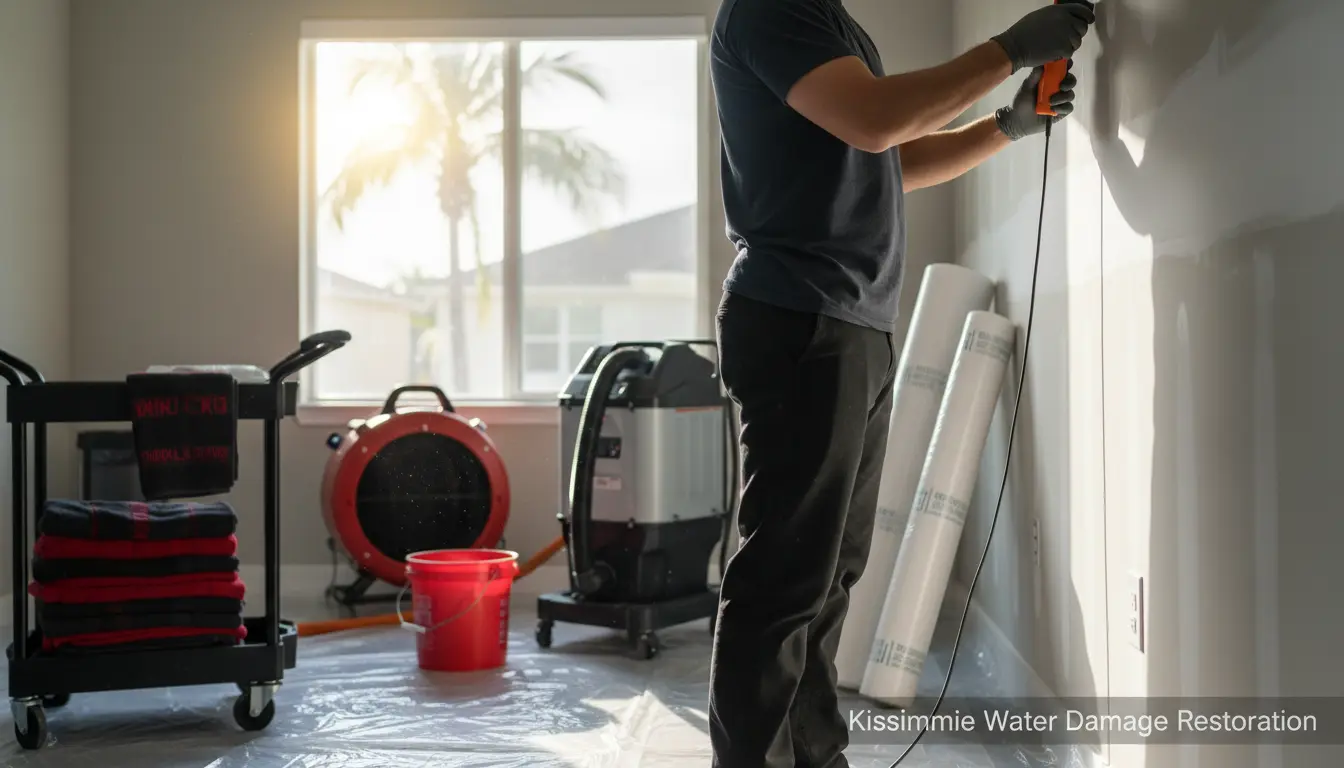
Living in the vibrant Orlando area, especially around Kissimmee, means embracing the beauty of Florida’s weather—but it also means preparing for its unpredictable storms. From sudden downpours to powerful hurricanes, these events can wreak havoc on your home, leaving behind water damage, structural issues, and emotional stress. If you’ve recently faced a storm in Kissimmee, you’re not alone. At Kissimmee Water Damage Restoration, we specialize in helping Central Florida families bounce back quickly and safely. In this guide, we’ll cover the must-know essentials for storm recovery, tailored to Orlando’s unique climate and local challenges. Whether it’s a minor leak or major flooding, these tips will empower you to protect your property and peace of mind.
Understanding Storm Damage in the Orlando Area
Orlando’s subtropical climate brings frequent thunderstorms, heavy rains, and the occasional tropical storm or hurricane. In Kissimmee, nestled near Lake Tohopekaliga, homes in neighborhoods like Narcoossee and The Meadows are particularly vulnerable to flash flooding due to the flat terrain and proximity to waterways. Storm damage isn’t just about water; it can include wind-blown debris, fallen trees, and power outages that exacerbate issues like mold growth.
Common Types of Storm-Related Damage
- Water Intrusion: Rain seeping through roofs, cracks, or poor seals can lead to soaked carpets, warped floors, and hidden moisture in walls.
- Structural Compromises: High winds can damage roofs, siding, and windows, creating entry points for further water damage.
- Electrical Hazards: Floodwaters can short-circuit systems, posing fire risks.
- Mold and Mildew: In Florida’s humid environment, unchecked water can spawn mold within 24-48 hours, affecting air quality and health.
Understanding these risks is the first step. For instance, in Canoe Creek, low-lying areas often see rapid flooding, making early assessment crucial.
Immediate Steps After a Storm Hits
When the storm passes, time is of the essence. Acting fast can prevent minor issues from becoming costly disasters. Here’s how to respond effectively.
Prioritize Safety First
Before entering your home, ensure it’s safe. Check for gas leaks, downed power lines, or unstable structures. In Kissimmee, where storms can knock out power for hours, use flashlights instead of candles to avoid fire hazards. If your home in Kenansville feels compromised, evacuate and call professionals immediately.
Assess the Damage Thoroughly
Walk through your property systematically. Document everything with photos and videos for insurance claims. Look for visible water pooling, sagging ceilings, or musty odors. In Orlando’s warm climate, even small amounts of standing water can lead to rapid deterioration—remove it promptly using wet vacuums or pumps.
Essential Recovery Tools and Supplies
Stocking up on the right items can make a world of difference. Create a storm recovery kit with:
- Protective Gear: Rubber boots, gloves, and masks to handle contaminated water safely.
- Water Extraction Tools: Shop vacs, dehumidifiers, and fans to dry out affected areas.
- Cleaning Supplies: Disinfectants, buckets, and mops for sanitizing surfaces.
- Tarps and Plastic Sheeting: To cover damaged roofs or windows temporarily.
- Moisture Meters: Affordable devices to detect hidden dampness in walls and floors.
For homes in flood-prone spots like Paradise Lakes, investing in a portable generator ensures you can power essentials during outages.
When to Call Professional Storm Recovery Services
While DIY efforts are great for initial response, some damage requires expert intervention. If water has reached electrical systems, structural elements, or depths over a few inches, don’t hesitate to contact specialists. At Kissimmee Water Damage Restoration, our team is IICRC-certified and ready 24/7 for emergency water removal in the Orlando area.
Professionals use advanced equipment like industrial dehumidifiers and thermal imaging to uncover hidden issues. For example, after a heavy rainstorm in Kissimmee, we often see families needing flood damage cleanup to prevent long-term mold problems. Delaying can cost thousands in repairs—our rapid response minimizes that risk.
Step-by-Step Home Restoration Process
Once safety is assured, follow this structured approach to restore your home.
Step 1: Water Extraction and Drying
Remove standing water immediately. Use pumps for basements or basement flood restoration services if needed. Then, set up fans and dehumidifiers to circulate air. Aim to dry everything within 48 hours to halt mold growth. In humid Kissimmee, this step is non-negotiable—open windows only if humidity is low.
Step 2: Cleaning and Disinfecting
Scrub all surfaces with antimicrobial cleaners. Discard porous items like soaked drywall or carpet if contaminated. For valuable documents affected by water, consider document recovery services to salvage irreplaceable items like family photos or legal papers.
Step 3: Structural Repairs
Address any breaches. Patch roofs with tarps temporarily, then hire contractors for permanent fixes. In Orlando, wind damage to roofs is common, so inspect shingles and flashing carefully. For interior work, wall and ceiling repair ensures your home looks and functions like new.
Step 4: Rebuilding and Upgrading
Use this as an opportunity to fortify your home. Install flood vents, elevate appliances, or add backflow preventers. Local building codes in Osceola County emphasize resilience, so consult experts for compliant upgrades.
Practical Tips for Kissimmee Homeowners
Tailored to our local area, here are actionable advice:
- Elevate Valuables: In flood-vulnerable Kissimmee spots, store important items on higher shelves.
- Maintain Gutters and Drains: Clear them seasonally to prevent overflow during storms.
- Secure Outdoor Items: Tie down patio furniture to avoid debris hazards.
- Insurance Review: Ensure your policy covers Florida-specific perils like windstorm damage.
- Community Resources: Join local Kissimmee preparedness groups for alerts and support.
These steps not only aid recovery but build long-term resilience against Orlando’s weather patterns.
FAQ: Storm Recovery Questions for Orlando Homes
1. How soon after a storm should I start cleanup?
Start immediately for safety and to prevent mold. If extensive, call pros within hours for emergency water removal.
2. Can I handle minor water damage myself?
Yes, for small areas, but monitor for mold. For anything involving structures or electrics, seek professional flood damage cleanup.
3. What if my basement floods in Kissimmee?
Basements are rare but possible in lower areas. Use pumps and call for basement flood restoration to dry and sanitize thoroughly.
4. How do I know if mold is present after a storm?
Look for black spots, musty smells, or health symptoms. Professional inspection via thermal imaging can confirm hidden growth.
5. Does insurance cover storm damage in Florida?
Most policies do, but review for exclusions like flooding (separate NFIP policy needed). Document everything for claims.
Conclusion: Reclaim Your Home with Expert Support
Storm recovery in the Orlando area, particularly Kissimmee, demands quick action, the right tools, and sometimes professional muscle. By following these essentials—from safety checks to full restoration—you can turn a devastating event into a manageable one. Remember, you’re stronger than the storm. At Kissimmee Water Damage Restoration, we’re here to guide you every step. Serving communities like Narcoossee and beyond, contact us today at (407) 759-4293 or visit our site for a free assessment. Let’s restore your home and your serenity—reach out now!