
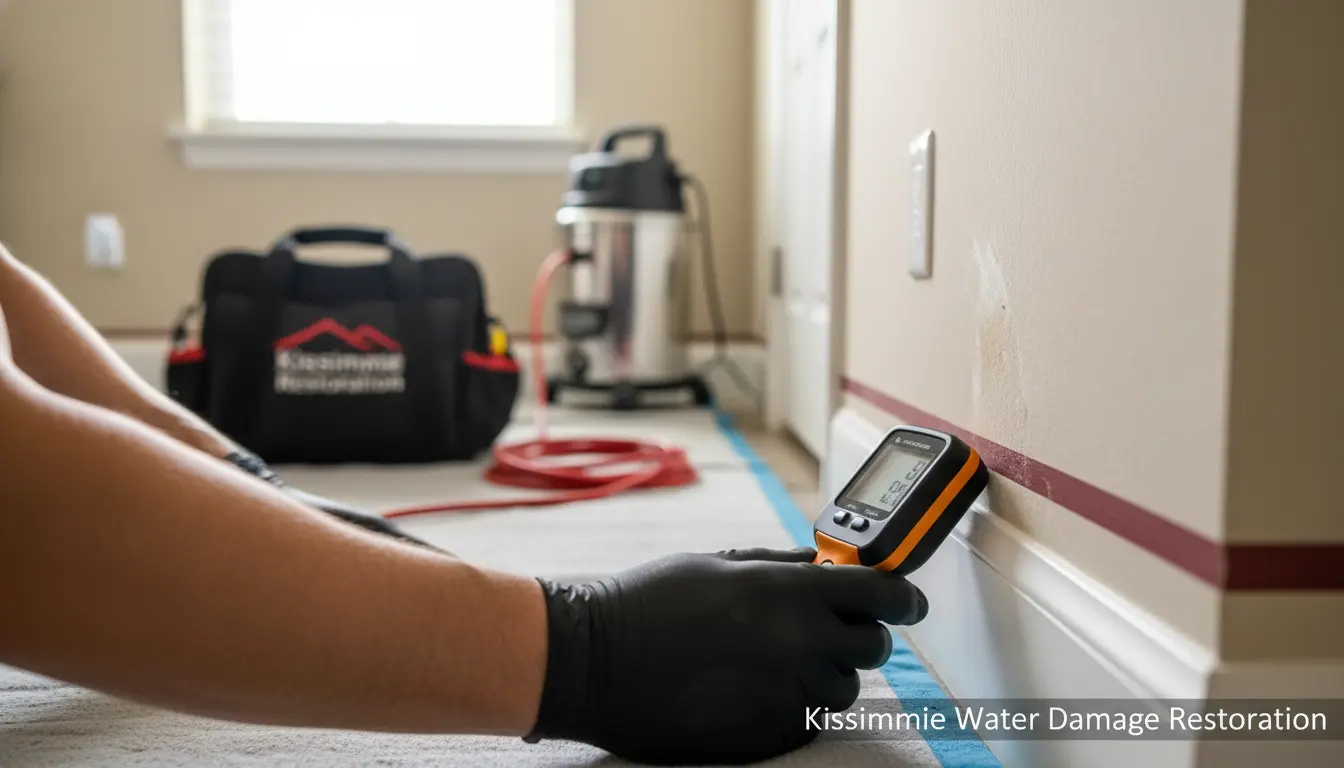
Living in the sunny suburbs of Kissimmee, Florida, comes with its perks—proximity to Walt Disney World, beautiful lakes, and a vibrant community. But the region’s humid climate and frequent heavy rains can also bring unwelcome surprises: hidden water damage. What starts as a small leak might evolve into structural issues, mold growth, and skyrocketing repair costs if left unchecked. As your local experts at Kissimmee Water Damage Restoration, we’ve seen it all—from subtle signs in cozy family homes near Lake Tohopekaliga to major disasters in historic neighborhoods.
In this guide, we’ll uncover five often-overlooked indicators of concealed water intrusion. Early detection is key to preventing extensive damage, especially in our flood-prone area. Whether you’re a homeowner in the gated communities of Celebration or a renter in downtown Kissimmee, arming yourself with this knowledge can save you time, money, and stress. Let’s dive in and explore how to safeguard your property.
Why Hidden Water Damage is a Silent Threat in Kissimmee
Kissimmee’s tropical weather means high humidity levels year-round, often exceeding 70%, which creates the perfect breeding ground for moisture-related problems. Add in occasional hurricanes and afternoon thunderstorms, and it’s no wonder water damage affects thousands of local homes annually. According to the Insurance Information Institute, water damage claims in Florida average over $10,000 per incident—numbers that hit close to home for us at Kissimmee Water Damage Restoration.
Hidden water damage is particularly insidious because it lurks behind walls, under floors, or in attics, out of sight until the problem escalates. Ignoring it can lead to weakened foundations, electrical hazards, and health risks from mold spores. But don’t worry—with vigilance and prompt action, you can mitigate these risks. Our team specializes in thorough inspections tailored to Kissimmee’s unique environmental challenges, ensuring your home stays dry and safe.
The Role of Local Climate in Water Intrusion
Kissimmee’s location in Osceola County exposes homes to heavy rainfall, with averages of 50 inches annually. Poor drainage around foundations, common in older Kissimmee properties built in the 1970s and 80s, exacerbates the issue. If your home is near the Shingle Creek waterway, you’re at even higher risk during wet seasons. Regular maintenance, like clearing gutters and ensuring proper grading, is essential. For professional help with sudden floods from these storms, consider our emergency water removal services to extract water quickly and prevent further damage.
Sign 1: Musty Odors and Increased Humidity
One of the first clues that water is silently invading your home is a persistent musty smell, often mistaken for general dampness in Florida’s humid air. This odor arises from mold and mildew thriving in moist environments, releasing volatile organic compounds (VOCs) that create that unmistakable earthy scent.
How to Detect and Address It
Start by sniffing around basements, crawl spaces, and behind furniture—areas prone to poor ventilation in Kissimmee bungalows. Use a hygrometer to measure indoor humidity; levels above 60% signal potential issues. Practical tip: Run dehumidifiers in high-risk areas and ensure exhaust fans in bathrooms and kitchens vent outside, not into the attic.
If the smell persists, it could indicate a hidden leak from your AC unit, common in our hot climate. Don’t delay—contact Kissimmee Water Damage Restoration for a free moisture assessment. Early intervention can prevent mold from spreading to HVAC systems, which affects air quality for your family.
Sign 2: Warped or Buckling Floors and Walls
Nothing screams water damage like floors that feel spongy underfoot or walls that bow outward. In Kissimmee homes with tile or hardwood flooring, excess moisture causes wood to swell and adhesives to fail, leading to visible warping.
Spotting Subtle Changes
Walk your home barefoot and note any soft spots, especially in laundry rooms or near exterior walls exposed to Kissimmee’s frequent rains. Check for discoloration or bubbling paint on drywall, which absorbs water like a sponge. Actionable advice: Avoid walking on suspected areas to prevent further structural compromise, and use a moisture meter (available at local hardware stores like Home Depot in Kissimmee) to test levels—anything over 15% is a red flag.
For homes in flood-vulnerable spots like those near Boggy Creek, this sign often ties back to poor sealing around doors and windows. Our restoration pros recommend annual inspections, and if damage is confirmed, we can handle everything from drying to floor repair integration.
Sign 3: Peeling Paint and Stains on Ceilings
Ceiling stains are a classic giveaway, resembling yellow or brown watermarks from leaks above. In attics, undetected roof issues from Kissimmee’s intense sun and storms can drip slowly, causing paint to blister and peel.
Preventive Measures and Inspection Tips
Inspect your attic regularly, looking for dark spots on insulation or rust on nails—indicators of chronic moisture. In multi-story homes common in the Celebration area, check for stains in upper rooms that might stem from plumbing above. Tip: After heavy rain, climb a ladder (safely!) to scan for puddles or wet beams. Seal roof penetrations with caulk to block entry points.
If you spot these signs, it’s time for expert eyes. Serving the Celebration community, we often deal with attic leaks from aging shingle roofs. Our team uses thermal imaging to pinpoint hidden sources without invasive tearing.
Sign 4: Mold Growth in Unexpected Places
Mold doesn’t always announce itself with black spots; it can hide behind baseboards or in carpet padding, fueled by Kissimmee’s 80-degree average temperatures that accelerate growth.
Identifying and Remediating Mold
Look for white, fuzzy patches on grout in bathrooms or discolored grout lines—early mold stages. In humid Kissimmee summers, check under sinks for slimy residues. Practical advice: Improve airflow with ceiling fans and fix leaks immediately. Use a HEPA vacuum for surface cleaning, but never bleach on porous surfaces, as it can worsen the problem.
Health-wise, mold exposure can trigger allergies or respiratory issues, especially for kids playing in affected areas. If mold covers more than 10 square feet, call professionals. At Kissimmee Water Damage Restoration, we follow EPA guidelines for safe removal, ensuring your home in neighborhoods like Buenaventura Lakes is mold-free.
Sign 5: Increased Energy Bills and Noisy Pipes
Sudden spikes in utility costs? Hidden water damage might be insulating your home poorly, forcing your AC to work overtime. Noisy pipes—gurgling or banging—often signal corrosion from water exposure.
Diagnosing Plumbing and Efficiency Issues
Track your bills monthly; a 10-20% jump without lifestyle changes warrants investigation. Listen for sounds during quiet evenings, particularly in older Kissimmee plumbing systems. Tip: Insulate pipes to prevent condensation and schedule annual professional checks.
In areas like West Kissimmee, where hard water is prevalent, this can accelerate damage. For comprehensive solutions, including drying and structural repairs, trust our emergency response team to restore efficiency and peace of mind.
FAQ: Common Questions About Hidden Water Damage in Kissimmee
1. How quickly does hidden water damage spread in a humid climate like Kissimmee’s?
In our tropical environment, mold can start growing within 24-48 hours of moisture exposure. Acting fast with professional drying prevents escalation.
2. Does homeowner’s insurance cover hidden water damage?
Yes, if it’s sudden and accidental, like a burst pipe. Gradual leaks may not be covered—document everything and consult your policy or our experts for claims assistance.
3. Can I fix minor signs of water damage myself?
Small surface issues, yes—with fans and dehumidifiers. But for structural concerns, hire pros to avoid DIY pitfalls that could void warranties.
4. How often should Kissimmee homeowners inspect for water damage?
Twice yearly, plus after storms. Focus on attics, basements, and exteriors, especially if your home is near local waterways.
5. What makes Kissimmee Water Damage Restoration the best choice for repairs?
With 24/7 availability, IICRC-certified techs, and local knowledge of Osceola County challenges, we deliver fast, reliable restoration tailored to your needs.
Conclusion: Protect Your Kissimmee Home Today
Hidden water damage doesn’t have to turn your dream Kissimmee home into a nightmare. By recognizing these five signs—musty odors, warped surfaces, ceiling stains, mold, and utility anomalies—you’re taking the first step toward prevention. Remember, in our rainy paradise, proactive maintenance is your best defense.
Don’t wait for small issues to become big problems. Contact Kissimmee Water Damage Restoration for a complimentary inspection and personalized restoration plan. Whether you’re in the heart of Kissimmee or the upscale vibes of Celebration, we’re here to help. Call us at (407) 759-4293 or visit our site to schedule—your dry, safe home awaits!