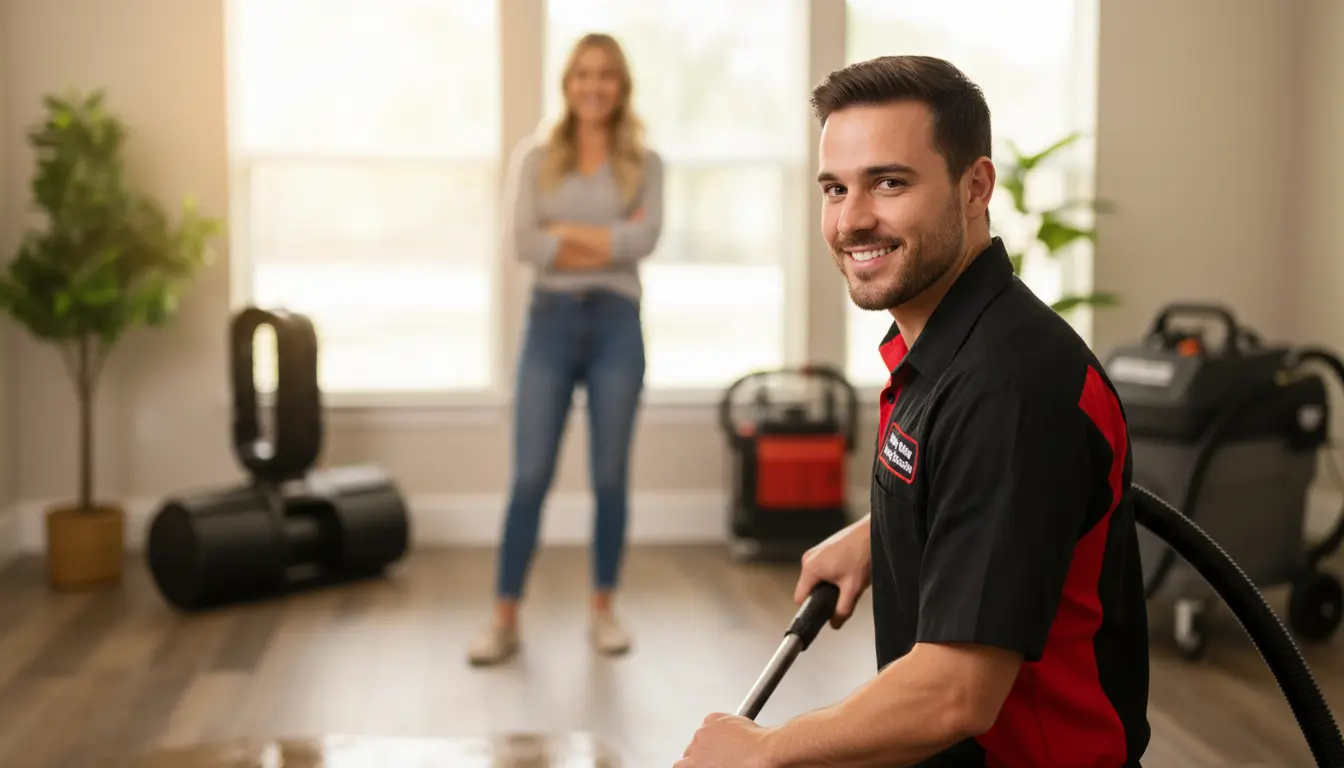
Water damage, specifically in the context of Central Florida homes, refers to the destructive and often hidden effects of moisture intrusion within a residential or commercial property, leading to deterioration of building materials, promotion of mold growth, and potential health hazards. It is distinct from flood damage, which is typically associated with external, high-velocity water influx, whereas water damage can stem from internal sources such as pipe leaks, appliance failures, or HVAC system malfunctions. Understanding this distinction is crucial for homeowners and property managers in Central Florida, given the region’s high humidity and vulnerability to intense summer storms, which can exacerbate both the risk and the impact of water damage.
The importance of addressing water damage promptly cannot be overstated, especially in a humid environment like Kissimmee, Florida. Immediate and professional water mitigation is critical to prevent secondary damage, reduce restoration costs, and minimize health risks associated with mold exposure. Kissimmee Water Damage Restoration stands out as a premier service provider in the area, offering expert solutions tailored to the unique challenges posed by Central Florida’s climate.
The process of water damage restoration involves a series of meticulously planned and executed steps, starting with an initial inspection and moisture mapping to identify the extent of the damage. This is followed by water extraction using high-capacity pumps and vacuum units, and then psychrometric monitoring to control the drying environment. Applied structural drying (ASD) techniques, facilitated by the use of low-grain refrigerant (LGR) dehumidifiers and HEPA air scrubbers, are employed to efficiently dry the structure while minimizing the risk of mold growth. Sanitization and disinfection are also crucial components, utilizing EPA-registered antimicrobial agents to ensure a safe and healthy environment.
Technical Process Details
A key aspect of effective water damage restoration is the employment of advanced tools and technologies. Infrared thermal imaging cameras, for instance, allow technicians to pinpoint moisture accumulation behind walls and under floors, which would be invisible to the naked eye. Truck-mounted extraction units provide the necessary power for rapid water removal, while LGR dehumidifiers work to reduce the ambient humidity, thereby enhancing the evaporation process. The scientific principle behind this approach is rooted in psychrometry, the study of the relationship between air’s temperature and humidity, which dictates the drying strategy and ultimately influences the success of the restoration effort.
Local environmental conditions, particularly the high ambient humidity in Central Florida, play a significant role in determining the most effective drying strategy. In such a humid climate, the use of desiccant dehumidifiers or other specialized equipment may be necessary to achieve the optimal drying conditions. Furthermore, the type of building materials and the design of the property can influence the drying process, with considerations such as insulation, ventilation, and drainage pathways all needing to be taken into account.
Data Comparison
When considering the restoration of water-damaged properties, one crucial decision is whether to opt for professional applied structural drying (ASD) or to attempt a DIY approach using wet vacs and fans. The following comparison highlights the differences in efficiency, effectiveness, and safety between these two methods:
| Feature/Metric | Professional ASD | DIY Wet Vac & Fans |
|---|---|---|
| Water Extraction Rate | High | Low |
| Structural Drying Time | Faster | Slower |
| Mold Prevention Efficacy | High | Low |
Source: IICRC S500 Reference Guide
Expert Insights
Establishing a drying chamber is a highly effective strategy for speeding up the evaporation process in enclosed spaces. By sealing off the affected area and employing focused drying equipment, technicians can create an environment that is optimized for moisture removal. Controlling the temperature is also critical, as warmer air can hold more moisture, thus maximizing evaporation rates. Furthermore, mitigating secondary moisture by ensuring good ventilation and using dehumidifiers can prevent the proliferation of mold and mildew, which thrive in damp environments.
Common mistakes made by property owners include relying solely on touch to determine if drywall is dry, which can be misleading due to the material’s density and the potential for hidden moisture accumulation. Waiting too long to call professionals is another error, as timely intervention is key to minimizing damage and restoring the property to a safe and healthy condition. The consequences of such delays can include structural rot, black mold proliferation, and significant increases in restoration costs.
Pricing
The cost of water damage restoration can vary widely depending on several factors, including the extent of the damage, the category of the water (clean, gray, or black), and the necessity for hazardous material remediation. Pricing structures may be based on the square footage of the affected area, with higher rates applied to cases involving category 2 or 3 water due to the increased risk of health hazards and the need for specialized equipment and protective gear. The presence of mold or the requirement for sewage cleanup can also significantly impact the overall cost, as these situations often demand more extensive and specialized interventions.
Safety & Standards
Reference to specific certifications, such as those offered by the Institute of Inspection, Cleaning and Restoration Certification (IICRC), is essential for ensuring that restoration services meet the highest standards of quality and safety. The use of personal protective equipment (PPE), the establishment of containment zones, and the application of EPA-registered antimicrobial biocides are all critical components of a safe and effective restoration process. These measures are particularly important in preventing airborne pathogen exposure in households or businesses after water intrusions, especially in a humid environment like Central Florida where the risk of mold growth is elevated.
FAQ
What is the first step in addressing water damage in my home?
The first step in addressing water damage is to ensure your safety and the safety of others. This involves turning off the main power and water supply if it is safe to do so, and then contacting a professional water damage restoration service. Prompt action is crucial to prevent further damage and potential health risks.
How long does the water damage restoration process take?
The duration of the water damage restoration process can vary significantly depending on the extent of the damage, the type of building materials affected, and the environmental conditions. Generally, the process can take anywhere from a few days to several weeks. Professional restoration services will be able to provide a more accurate timeline after conducting an initial assessment.
Can I use a wet vac and fans to dry out my home myself?
While it might be tempting to attempt to dry out your home using a wet vac and fans, this approach is often ineffective and can lead to further problems, including mold growth and structural damage. Professional equipment and expertise are usually necessary to ensure a thorough and safe drying process, especially in a humid climate like Central Florida.
What are the risks of not addressing water damage promptly?
Failing to address water damage in a timely manner can lead to significant consequences, including the proliferation of mold, structural deterioration, and increased restoration costs. Prompt professional intervention is essential to mitigate these risks and restore the property to a safe and healthy condition.
Professional Water Mitigation in Kissimmee
In conclusion, the importance of prompt and professional water mitigation in Kissimmee cannot be overstated. Given the region’s vulnerability to water damage due to its climate and geographical location, homeowners and property managers must be proactive in addressing any signs of moisture intrusion. Kissimmee Water Damage Restoration, with its expertise, advanced equipment, and commitment to safety and quality, stands as a reliable partner for those facing the challenges of water damage. By understanding the causes, consequences, and best practices for water damage restoration, individuals can better protect their properties and ensure a safe and healthy environment for occupants.